
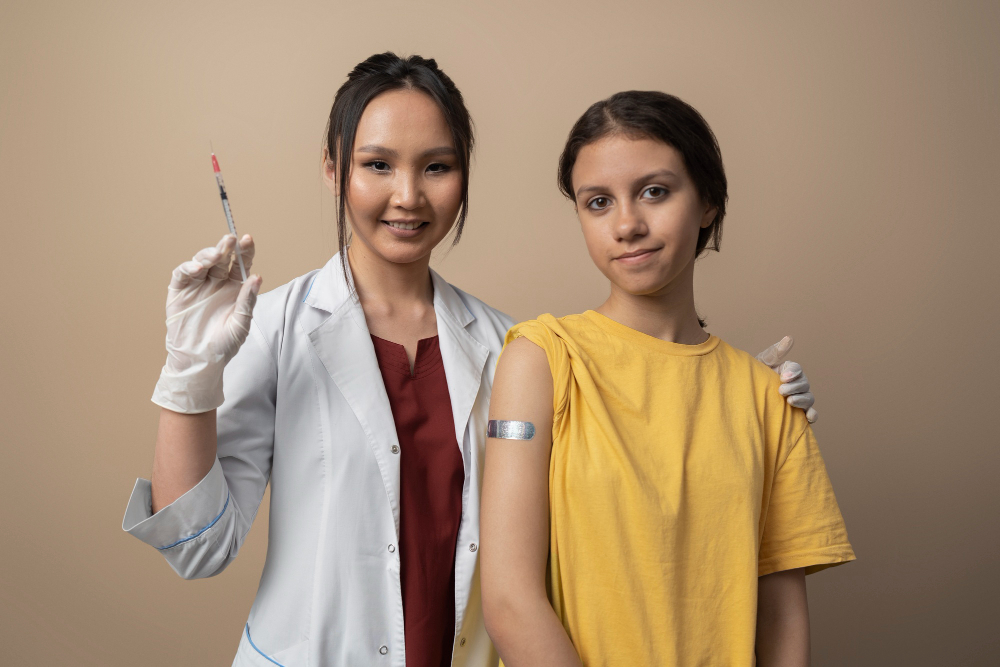
What is HPV?
Human papillomavirus, or HPV, is a common virus. In fact, most people will get HPV at some point in their lives. However, many types of HPV can cause health problems. For example, some types can lead to cervical cancer, other cancers, or genital warts. Because HPV often has no symptoms, you may not know you have it. But the virus can still spread to others. Therefore, learning about HPV is important for your health.
Why is the HPV Vaccine Important?
The HPV vaccine protects against the most harmful types of HPV. As a result, it helps prevent cervical cancer and other cancers caused by HPV. In addition, the vaccine can stop the spread of the virus. According to the CDC, HPV vaccination could prevent over 90% of cancers caused by HPV. So, getting vaccinated is a smart way to protect yourself and others.
Who Should Get the HPV Vaccine?
Most experts recommend the HPV vaccine for preteens, but it is also helpful for teens and young adults. In the United States, the CDC suggests starting the vaccine series at age 11 or 12. However, children as young as 9 can get it. Even if you missed it as a child, you can still get vaccinated up to age 26. Some adults aged 27 to 45 may also benefit, so ask your doctor. Both boys and girls should get the HPV vaccine for full protection.
How Effective is the HPV Vaccine?
The HPV vaccine is very effective. Studies show it can prevent most cases of cervical cancer if given before exposure to the virus. In addition, it protects against other cancers and genital warts. The vaccine works best when given at a younger age, before any contact with HPV. But even older teens and young adults can benefit. According to the World Health Organization, countries with high vaccination rates have seen big drops in HPV infections and related diseases.
Safety and Side Effects
Many people worry about vaccine safety. However, the HPV vaccine has been studied for years and is very safe. Most side effects are mild and go away quickly. For example, you may have:
Serious side effects are rare. The CDC and WHO both say the HPV vaccine is safe for most people. If you have questions, talk to your healthcare provider.
Myths and Facts about the HPV Vaccine
There are many myths about the HPV vaccine. But knowing the facts can help you make the right choice. For example:
Therefore, do not let myths stop you from protecting your health.
How to Get Vaccinated
Getting the HPV vaccine is easy. You can ask your doctor or visit a local clinic. In the United States, many health centers and pharmacies offer the vaccine. The vaccine is given as a series of shots. Usually, two or three doses are needed, depending on your age. Your healthcare provider will guide you through the schedule. Remember, it is never too late to ask about HPV vaccination for teens or adults.
Prevention and Lifestyle Tips
Besides getting the HPV vaccine, you can take other steps to stay healthy. For example:
However, the HPV vaccine is the best way to prevent HPV-related cancers. So, make it a priority for you and your family.
Consult your healthcare provider to learn more about the HPV vaccine and protect your health.