Introduction to Puberty and Menstrual Health
Puberty is a big step in every girl’s life. For many mothers, supporting girls through puberty can feel overwhelming. Menstrual health for daughters is an important part of this journey. Early guidance helps girls feel confident and safe. As a mother or caregiver, you play a key role in your daughter’s well-being. Let’s explore how you can help her through these changes.
Recognizing the Signs of Puberty in Girls
Puberty usually starts between ages 8 and 13. However, every girl is different. You may notice these signs:
Sometimes, mood swings or skin changes also appear. If you notice these, talk openly with your daughter. This helps her feel supported and less alone.
Essential Menstrual Health Education for Daughters
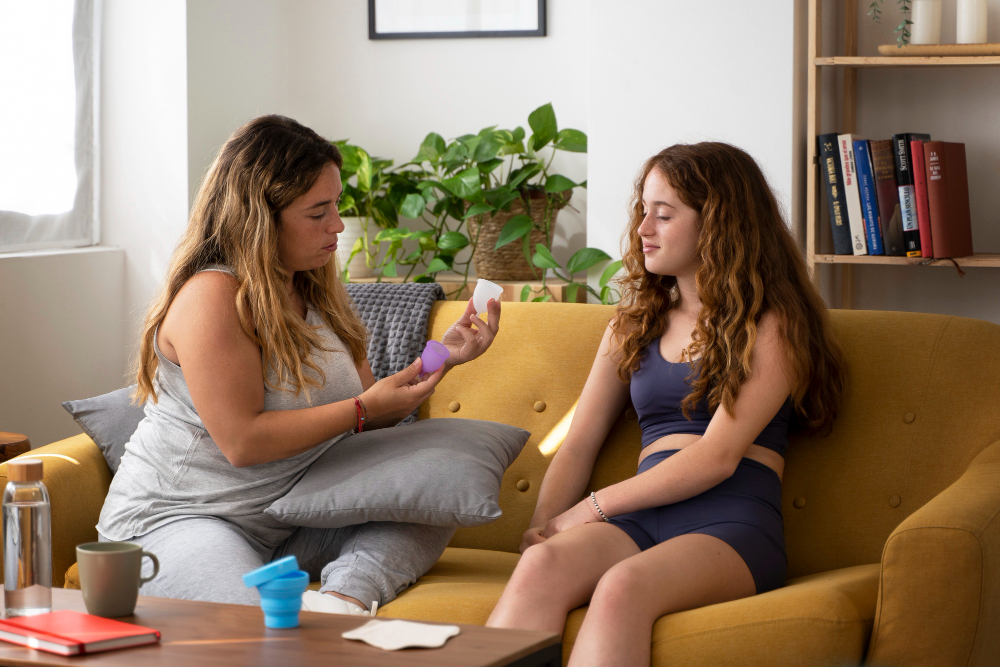
First, explain what periods are and why they happen. Use simple words. For example, say, “A period is when blood leaves the body from the uterus each month.” Let her know it is normal and healthy. Next, discuss how long periods last and what to expect. Most periods last 3 to 7 days. Also, talk about pads, tampons, and period underwear. Show her how to use them safely. Encourage her to ask questions at any time.
Creating a Supportive Environment at Home
At home, create a safe space for your daughter. For instance, let her know she can talk to you about anything. Listen without judgment. Offer comfort if she feels nervous or embarrassed. In addition, keep period supplies in an easy-to-find place. This helps her feel prepared and confident. Remember, your support matters most during this time.
Hygiene and Self-Care Tips During Menstruation
Good hygiene is very important during periods. Teach your daughter these simple steps:
Moreover, remind her that it’s okay to rest if she feels tired. Drinking water and eating healthy foods can help her feel better.
Addressing Common Menstrual Concerns and Myths
Many girls hear myths about periods. Some may think they cannot play sports or swim. Others may worry about pain or smell. However, most girls can do normal activities during their period. If she feels pain, a warm pad or gentle exercise may help. If you hear a myth, explain the facts. For example, periods are not dirty or shameful. Open talk helps break these myths. The World Health Organization (WHO) says education is key for menstrual health.
When to Consult a Healthcare Professional
Sometimes, periods can cause problems. You should see a doctor if:
Early care helps prevent bigger health issues. The Centers for Disease Control and Prevention (CDC) recommends regular check-ups for girls during puberty.
A Practical Checklist for Mothers to Support Their Daughters
Here is a simple mother’s checklist for puberty and menstrual health:
Following this checklist helps your daughter feel safe and cared for.
Prevention and Healthy Lifestyle Tips for Menstrual Well-Being
Healthy habits make periods easier to manage. Encourage your daughter to:
Additionally, remind her that every girl’s body is different. What works for one may not work for another. Support her as she finds what helps her feel best.
Conclusion
Puberty and periods are natural parts of growing up. With your support, your daughter can feel confident and healthy. If you have concerns, consult a healthcare professional for personalized advice on your daughter’s menstrual health.