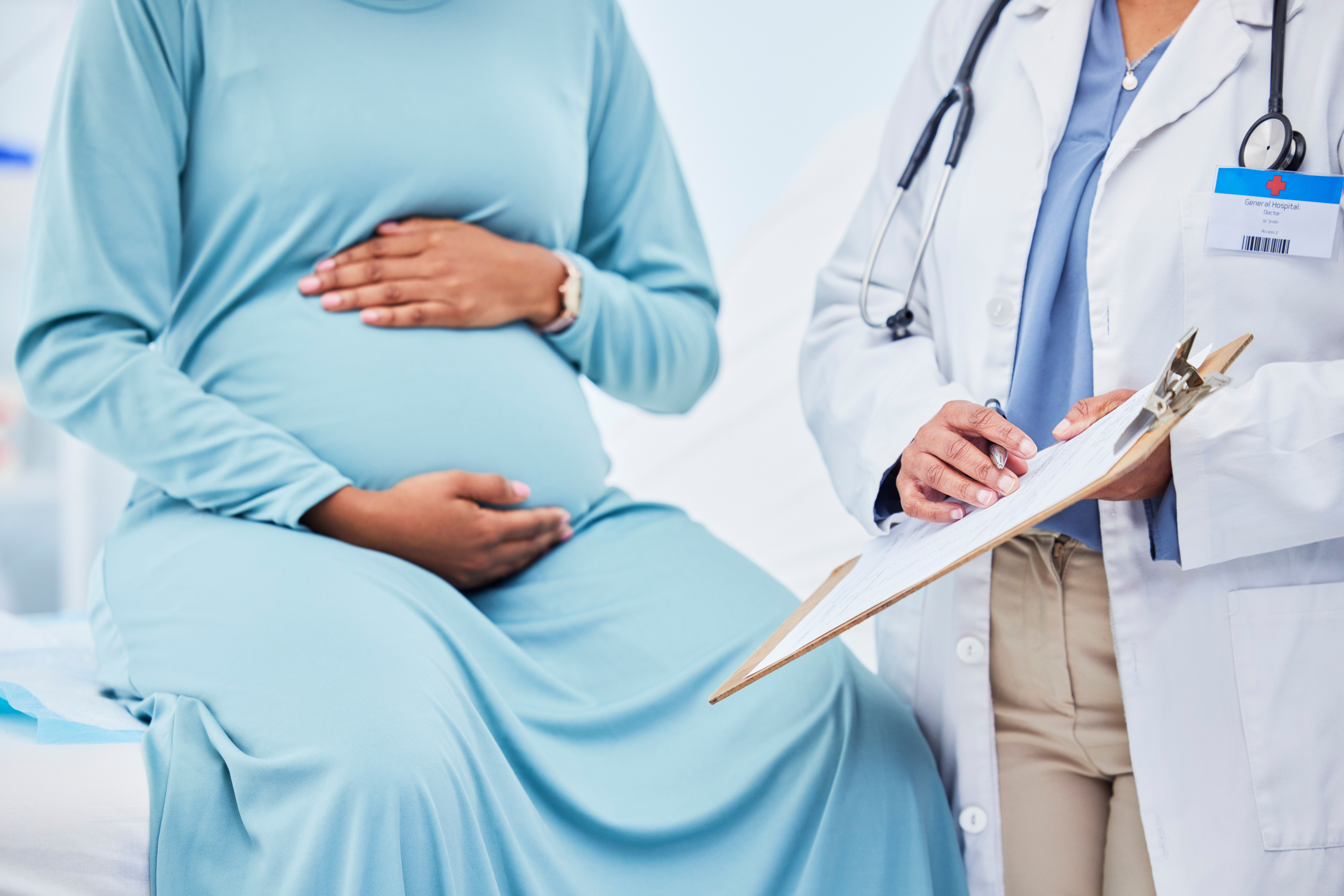
Pregnancy care is important for both mother and baby. Good pregnancy care, also called prenatal care, helps ensure a healthy pregnancy. Early and regular check-ups, healthy pregnancy tips, and proper nutrition all play a role. In this blog, you will learn about pregnancy care, why it matters, and how to keep yourself and your baby healthy. Whether you are in a city or a rural area, these tips can help you have a safe pregnancy.
What is Pregnancy Care?
Pregnancy care means taking steps to support your health and your baby’s growth. It includes regular doctor visits, eating well, and following healthy habits. For example, many women start pregnancy care as soon as they know they are pregnant. This care helps spot problems early and gives you the best chance for a healthy baby.
Importance of Early Prenatal Care
Early prenatal care is very important. When you see a doctor early, you can catch health issues before they become serious. In fact, the World Health Organization (WHO) says early care lowers risks for both mother and baby. Also, early visits help you learn what to expect and how to prepare for each stage of pregnancy.
Key Components of Pregnancy Care
There are several key parts of good pregnancy care. Each one helps you and your baby stay healthy. Here are the main components:
Common Pregnancy Symptoms and How to Manage Them
Many women experience symptoms during pregnancy. While some are mild, others may need attention. Here are common symptoms and ways to manage them:
However, if symptoms become severe, always talk to your doctor.
Warning Signs to Watch For
Some signs during pregnancy need quick medical attention. If you notice any of these, contact your healthcare provider right away:
Early action can prevent serious problems for you and your baby.
Lifestyle Tips for a Healthy Pregnancy
Healthy habits make a big difference during pregnancy. Here are some tips to follow:
In addition, if you live in a city, try to avoid crowded places during flu season. If you are in a rural area, make sure you have access to a healthcare provider for regular check-ups.
Prevention and Reducing Pregnancy Risks
Preventing problems is a key part of pregnancy care. Here are ways to lower your risks:
According to the CDC, these steps can help prevent many common pregnancy problems.
Conclusion
In summary, pregnancy care is vital for a healthy pregnancy. Early prenatal care, good nutrition, and healthy habits all help you and your baby. For the best results, consult a qualified healthcare provider for personalized pregnancy care guidance.